A WORLD OF OUR OWN
Barry Brandon on queer excellence cultural memory and ICONIQA Issue No.2.
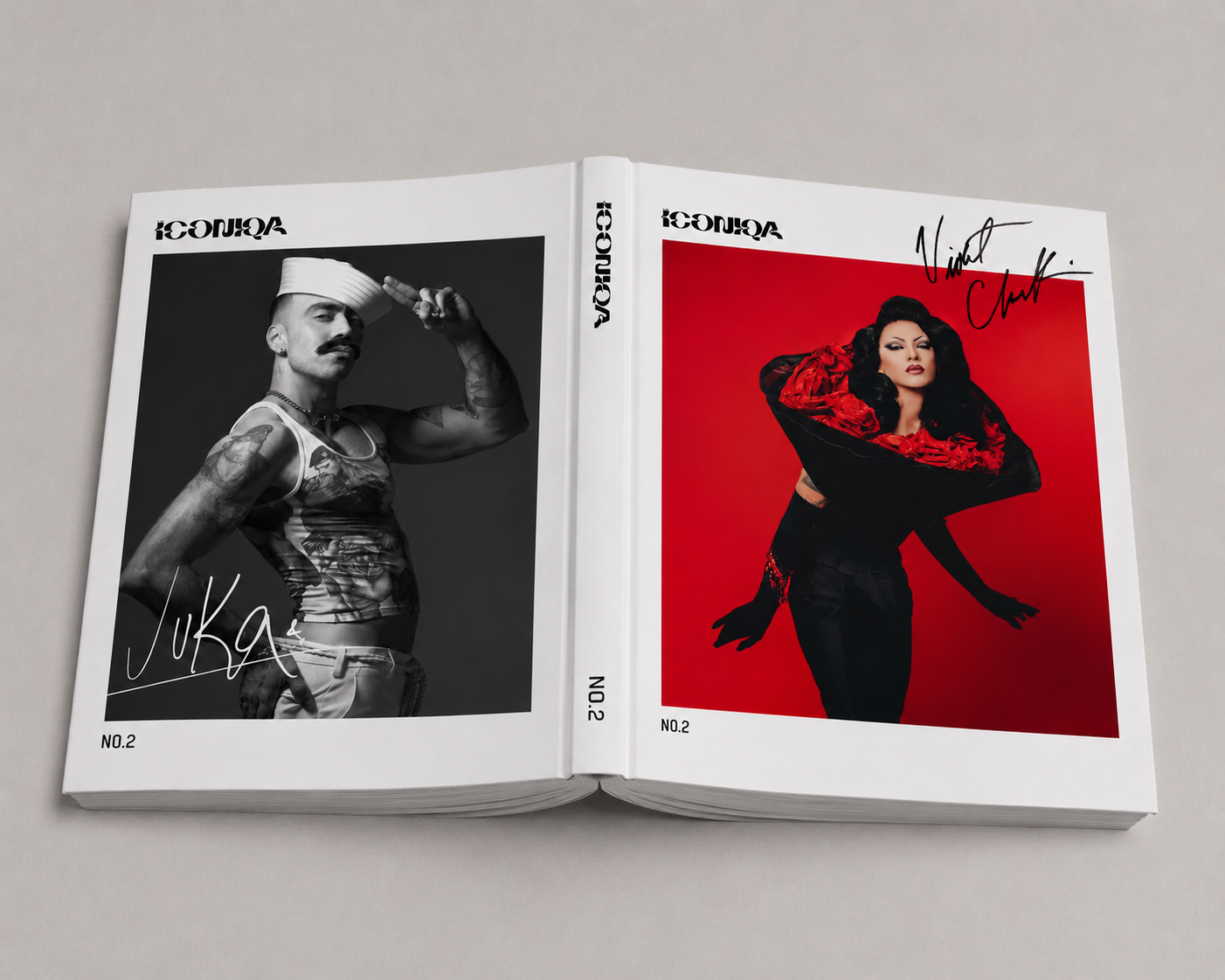
Covers: Juka by Ivan Aguirre, Violet Chachki by Gonza Gallego
Featuring Violet Chachki on the cover and voices from across the worlds of drag, nightlife, art, and performance, ICONIQA Issue No. 2 expands its vision of Queer Excellence through stories of beauty, resistance, transformation, and unapologetic self-expression.
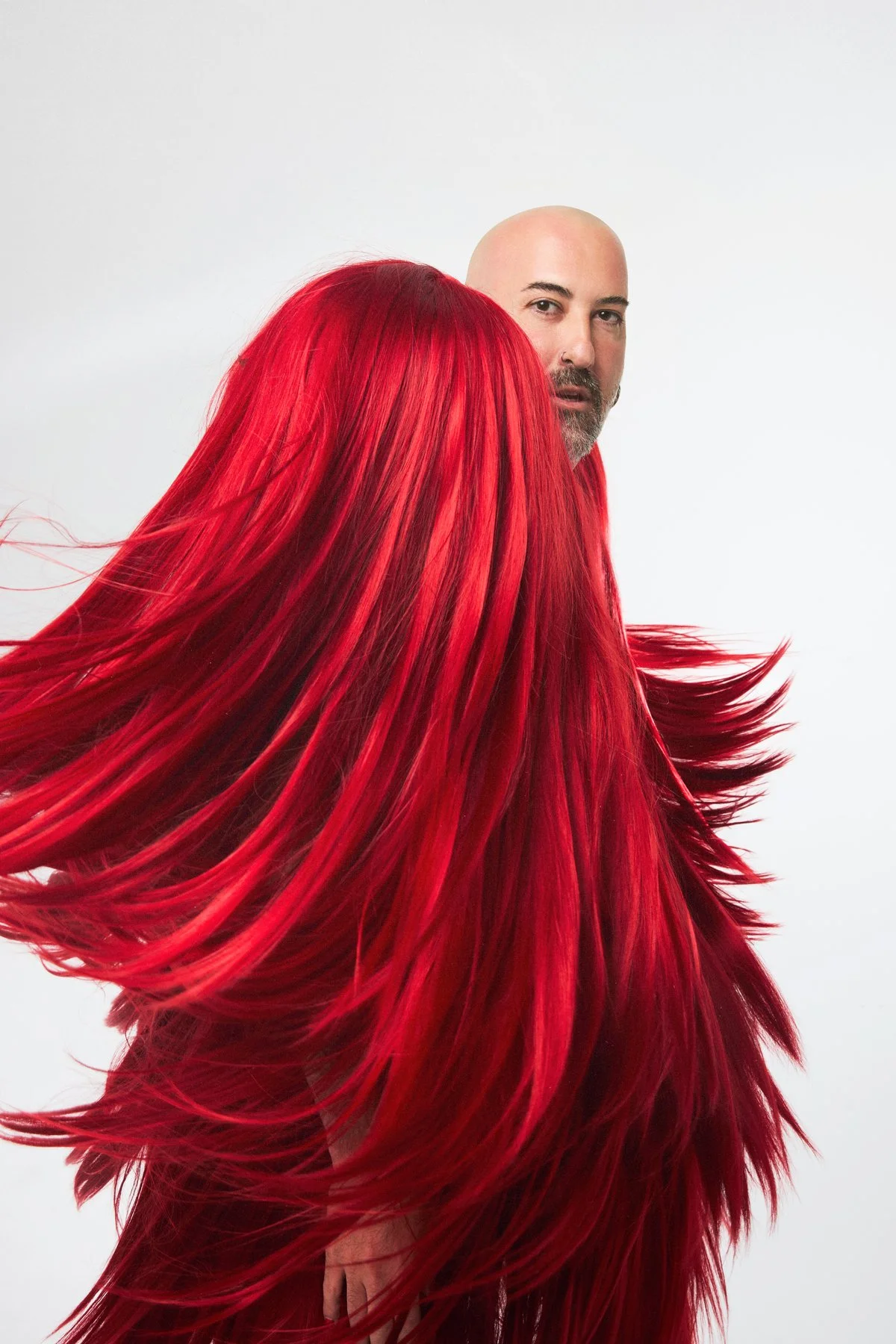
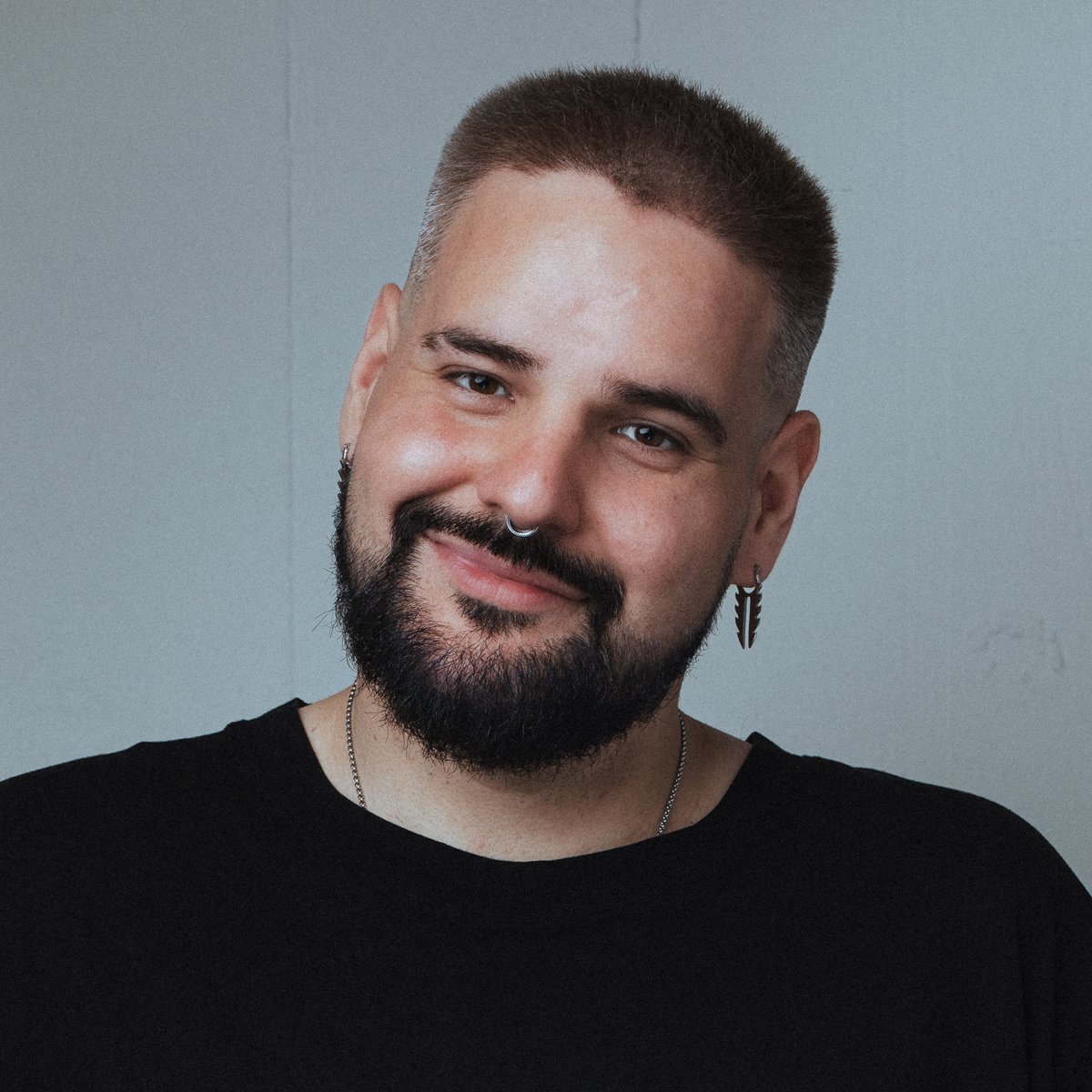
Photo: Barry Brandon by Gonza Gallego
We spoke with Creative Director Barry Brandon about the people shaping this new chapter, the importance of preserving spaces that disappear too quickly online, and why queer culture has never waited for permission to exist.
For someone discovering ICONIQA through Issue No. 2, what should they know about the world you're building?
They should know that ICONIQA is not just a magazine,more so a world One in which QUEER EXCELLENCE is centered, which basically means for everyone to be themselves. Right now we are an event and a magazine with a lot more in the works.
We are building a platform that celebrates LGBTQIA+ creativity as something worthy of documentation, preservation, and obsession. ICONIQA lives somewhere between art book, cultural archive, fashion object, and the bathroom mirror at 4 AM.
Issue No. 2 expands that universe. It brings together artists, performers, photographers, writers, nightlife legends, and cultural icons who are shaping what queer culture looks and feels like right now. It is about beauty, fantasy, resistance, humor, performance, and the very serious business of being.
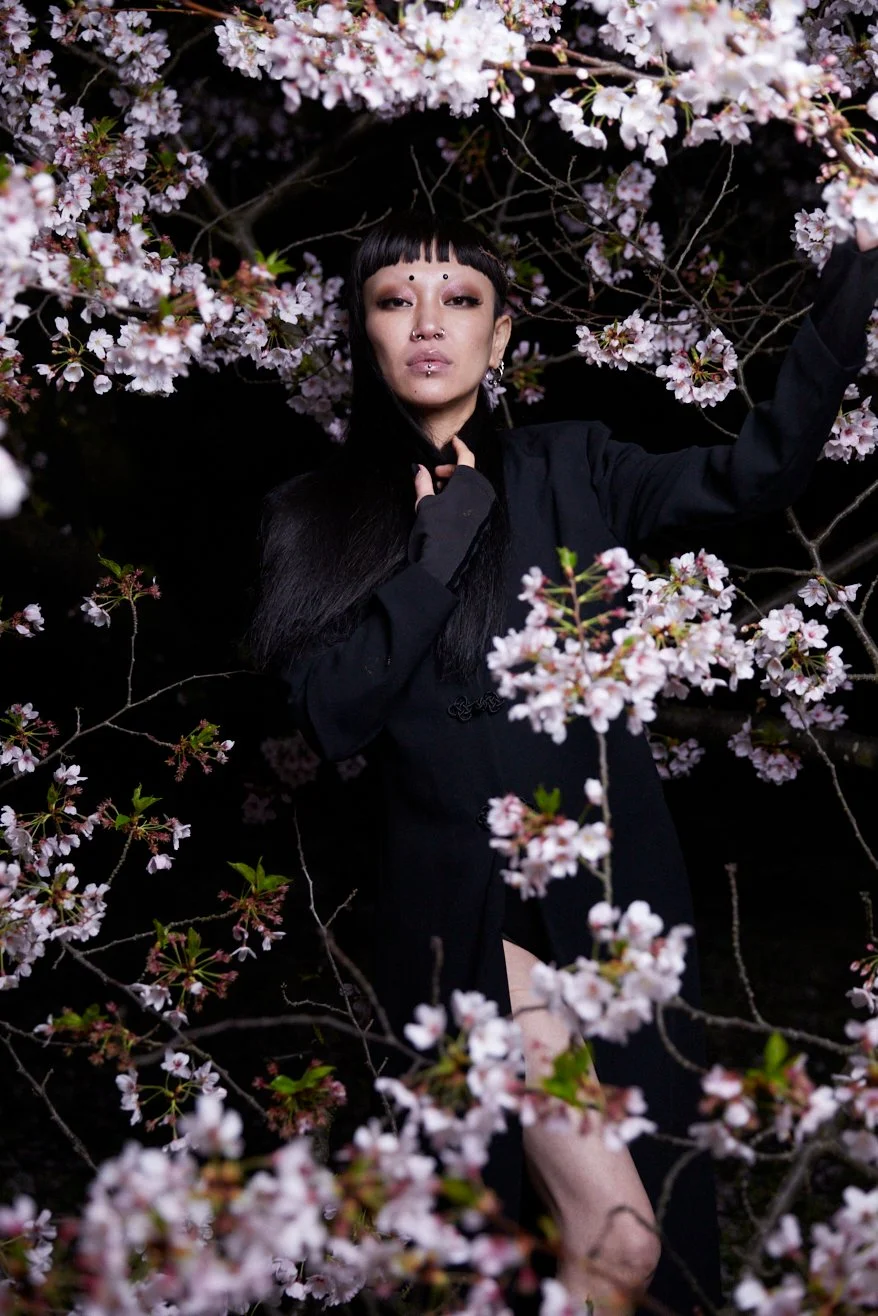
Photo: Aya Sato by Chito Yoshida
Issue No. 2 brings together drag artists, performers, photographers, nightlife figures, and cultural voices from around the world. What thread connects all these stories for you?
For me, the thread is transformation. Everyone in this issue is transforming something. Their body, their image, their community, their pain, their history, their corner of the world. Some do it through performance, some through photography, some through movement, fashion, writing, nightlife, or simply by existing loudly in spaces that were not built for them. What connects them is that they are not waiting for permission. They are creating worlds around themselves and inviting others in.
That is very ICONIQA to me.
What surprised you most while putting together this issue?
Honestly, how emotional it became. You start thinking you’re making a beautiful magazine, and then suddenly you’re inside people’s histories, their memories, their chosen families, their survival stories, their stage personas, their private rituals. There were moments where I was like,
“Wait, why am I crying over a layout?”
This issue reminded me that glamour is never just glamour. Behind every great image, every performance, every perfectly arched brow, there is usually a whole life of becoming. That surprised me in the best way.
If you could save only one editorial or story from Issue No. 2 in a time capsule, which one would it be and why?
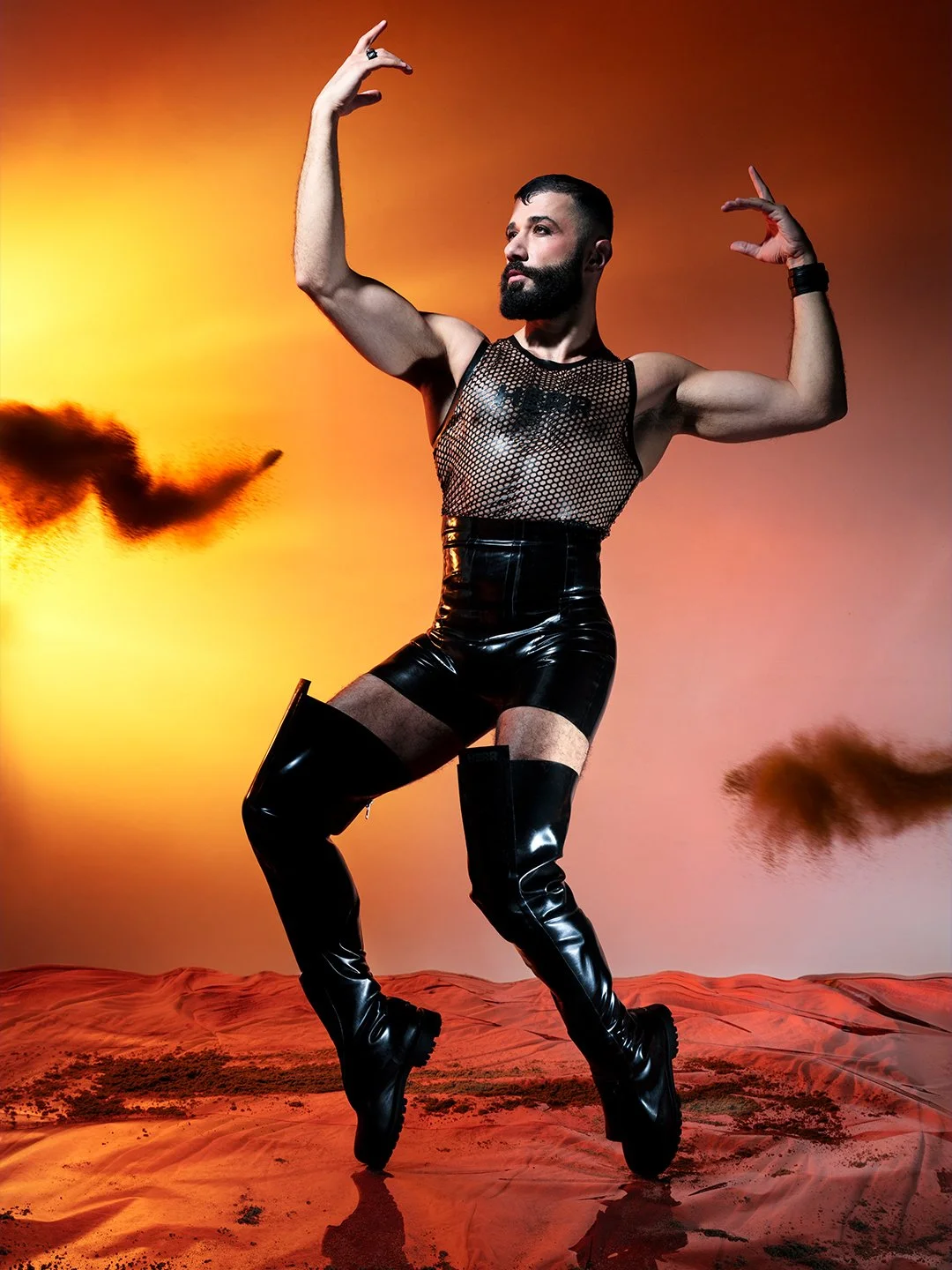
Photo : Ahmad Joudeh by Studio Rik Versteeg
UGHHHH this is hard buttttt I am going to go with The Queer Garden of Eden. There are so many friends featured in the shoot and the day was so memorable that I have to go with that.
If someone opened that time capsule years from now, I would want them to understand that this was a moment where LGBTQIA+ artists were not asking to be included in culture. They were culture.
ICONIQA exists somewhere between a magazine, an art object, and a nightlife archive. Which of those identities feels most important to you right now?
Right now, the archive feels really important. Nightlife, performance art, fashion and expression and LGBTQIA+ cultural spaces are often treated as temporary. A party happens, a look is worn, a performance ends, someone posts it, and then it disappears into the algorithmic abyss.
ICONIQA is interested in slowing that down. We want to say, “No, this mattered. This person mattered. This room mattered. This night mattered.” Of course, we still want it to be beautiful enough to leave on your coffee table and heavy enough to feel expensive when you hold it. But at its core, it is about preservation.
We are documenting a culture that is alive, moving, sweating, dancing, grieving, reinventing itself, and looking incredible while doing it.
What would you hope a young queer person feels when they hold this issue in their hands for the first time?
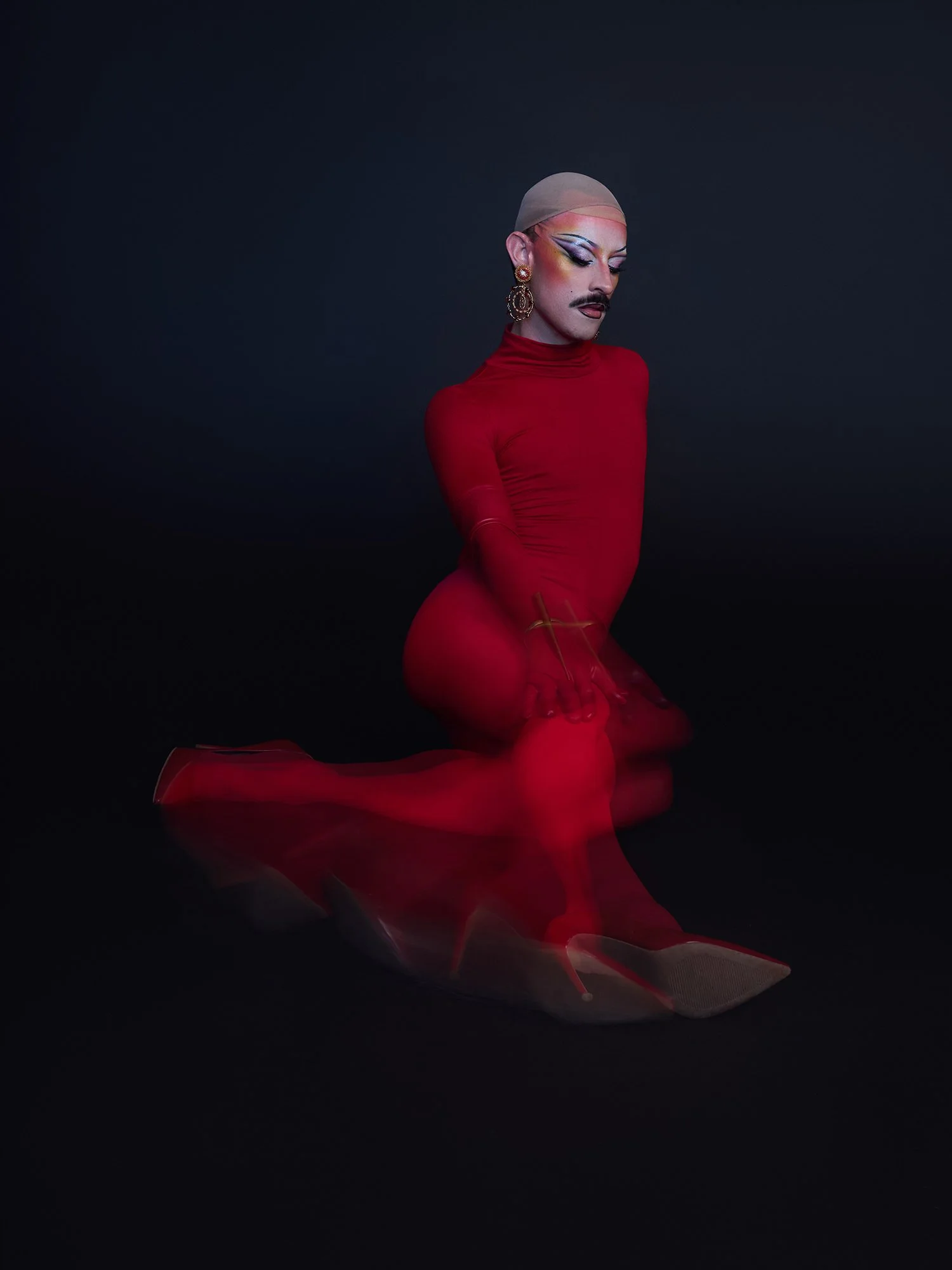
Photo: James Mac by Gosia Studio
I hope they feel possibility.
I hope they feel like there is no single way to be queer. No single way to be beautiful, powerful, creative, visible, or loved.
I hope they flip through the issue and see people who are strange, elegant, messy, brilliant, dramatic, soft, loud, tender, and completely unforgettable.
And I hope they think,
“Oh, there is room for me too.”
Because there is. There is room for their fantasy, their voice, their body, their story, their weird little outfit, their future legendary era. ICONIQA is proof that our worlds are not small. They are expansive, global, emotional, ridiculous, sacred, and very well styled.
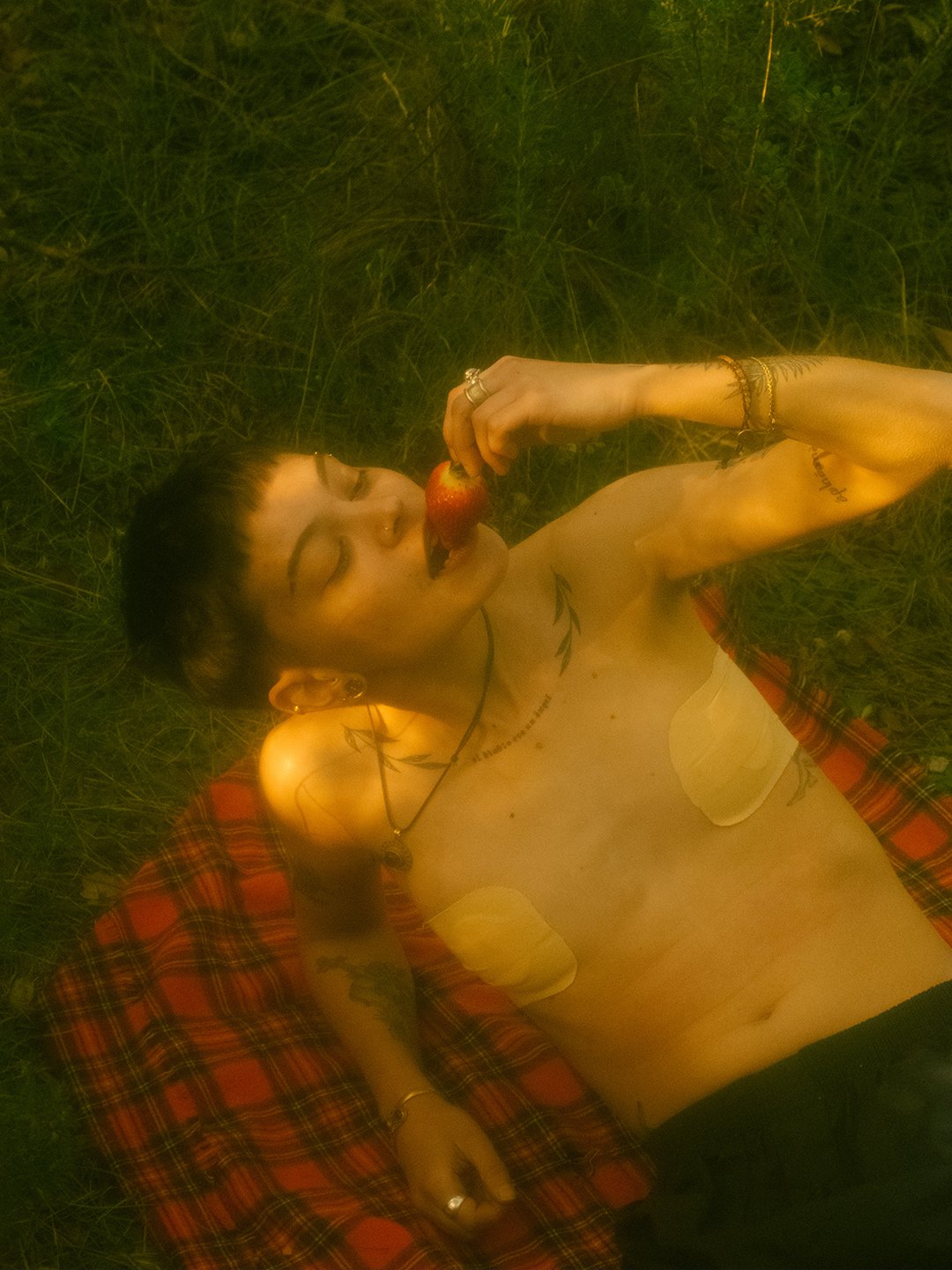
Photo: Le cri du corps by Ame Blary
Queer culture has never waited for permission to exist. In a world designed for constant scrolling and forgetting, ICONIQA insists on remembering.
Through fashion, performance, nightlife, chosen family, and imagination, it preserves the people and communities redefining culture in real time.
Issue No. 2 is not simply documenting that world it is ensuring it won't be forgotten.